


Heat Stress or Overwatering? How to Read Desert Plant Symptoms
Wilting, browning, yellowing leaves, leaf drop, and slow growth do not always mean a plant needs more water. In New Mexico, understanding heat stress vs overwatering plants means looking at the full pattern before changing irrigation.
Heat stress can happen when high air temperatures, strong sunlight, and rapid water loss make it hard for roots to supply enough moisture to the leaves. But too much water can cause similar signs. Saturated soil reduces oxygen around the roots, which can limit water uptake even when the ground is wet.
Before adding water or replacing a plant, consider soil moisture, symptom timing, sun exposure, and recent weather.
Signs That Point More Strongly to Heat Stress
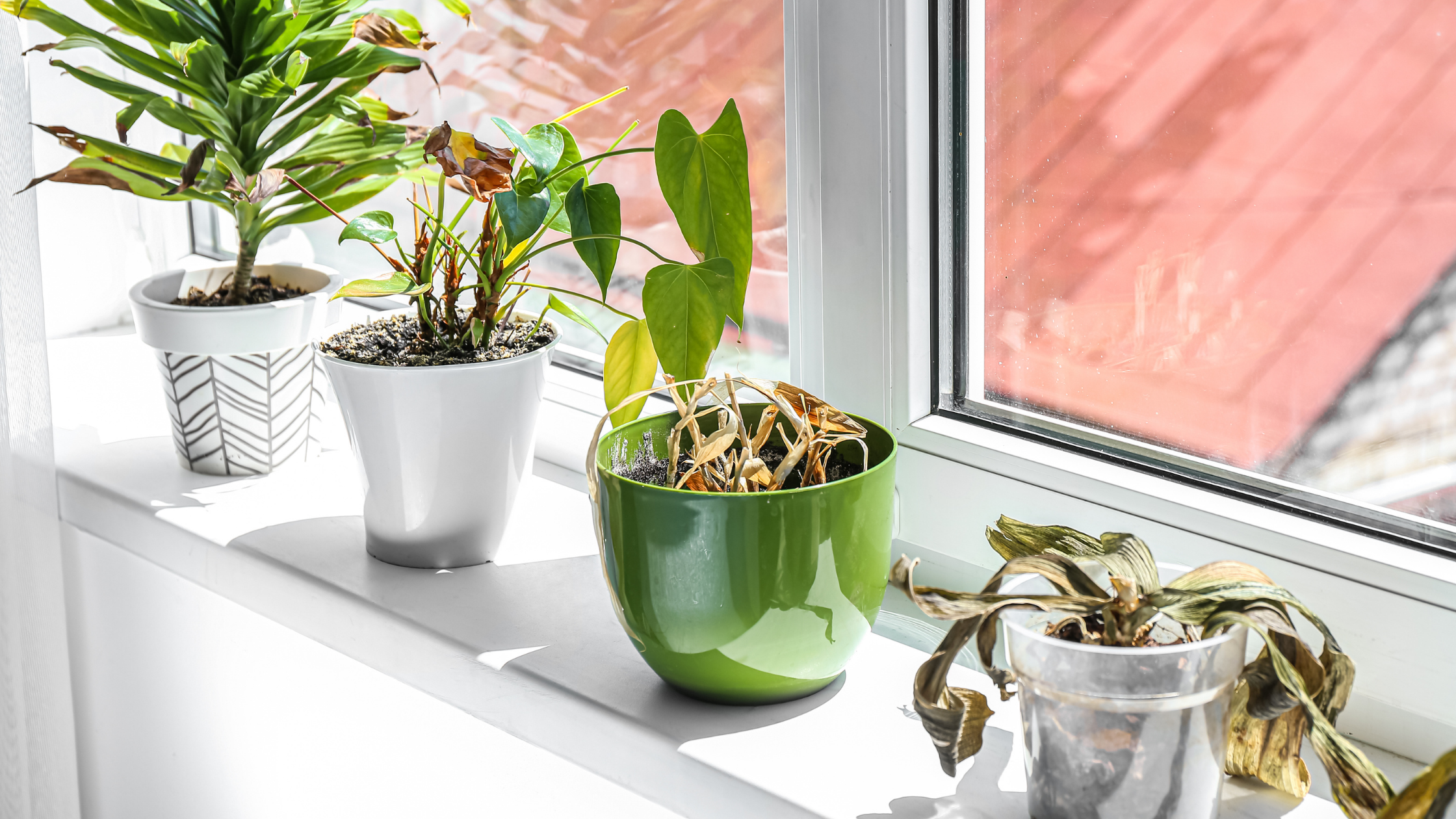
Heat stress often becomes most noticeable during the hottest part of the day. A plant may look healthy in the early morning, start wilting as temperatures rise, and partly recover by the early evening.
This temporary heat stress can be a protective response. During peak heat, rapid water loss can lower a plant’s internal water pressure, or turgor pressure, causing leaves and stems to droop.
Signs more consistent with heat stress include:
- Afternoon wilt with overnight recovery
- Dry, curled, or crisp leaves
- Brown or scorched leaf edges
- Damage on south- or west-facing growth
- Sunscald on exposed stems or branches
- Slower growth during a heat wave
- Dry soil in the active root zone
Newly planted trees, shrubs, and perennials may react sooner because their roots are still establishing. Hot soil, strong sun, and excessive heat can add to the stress. Plants recently moved from protected conditions or shade cloth into stronger sunlight may also show heat or scorch symptoms sooner.
Scorched leaves will not turn green again. Instead, look for healthy new growth once temperatures ease. Do not assume afternoon wilt means the plant needs immediate deep watering. Overnight recovery may point to heat rather than true drought stress.
Signs That Point More Strongly to Overwatering
Overwatering can look surprisingly similar to drought stress. Saturated soil contains less oxygen, so stressed roots may struggle to absorb water and nutrients even when plenty of moisture is present.
Signs more consistent with too much water include:
- Soil that stays moist between irrigation cycles
- Pale or yellow young leaves
- Soft or weak growth
- Wilted shoots despite wet soil
- Morning wilt
- Leaf drop without widespread crisp edges
- Algae or mushrooms nearby
- Soft, dark, or foul-smelling tissue
Persistent excess moisture can contribute to root rot and other root problems. However, yellowing leaves alone do not prove overwatering. Heat, pests, transplant stress, damaged roots, and nutrient problems can cause similar symptoms.
How much water a plant needs also varies by species, soil, maturity, season, exposure, and recent weather.
Use the Timing of Heat Stress vs Overwatering Plant Symptoms as a Clue
Heat stress is more likely when wilting begins during the hottest part of the day, gets worse on hot days, and improves overnight. Symptoms may also increase during a heat wave or on the side receiving intense afternoon sun.
Overwatering is more likely when the plant stays wilted in the morning, soil remains wet before the next irrigation cycle, or decline follows irrigation or rain.
For three days, record irrigation, rainfall, morning and afternoon appearance, soil moisture, and where damage occurs. A short pattern is more useful than judging a plant during one hot afternoon.
Check Soil Moisture Before Changing Irrigation
The ground surface can be misleading. Gravel may appear dry while the soil below remains moist, or the surface may be wet while water has missed much of the root zone.
Check soil away from the trunk and compare areas near and farther from an emitter. Note whether the ground is dry and powdery, slightly moist, muddy, or still wet several days after irrigation. Also, confirm that emitters work and water is not collecting around the plant crown.
For many trees and shrubs, important water-absorbing roots extend toward and beyond the canopy edge. Understanding watering the active root zone of trees and shrubs can help homeowners evaluate where irrigation is reaching.
Avoid universal advice to water deeply or add another cycle. Soil, plant maturity, season, irrigation output, and recent weather all matter.
Compare Crisp Heat Damage With Soft or Yellowing Growth
Leaf texture provides another clue, but it is not a final test.
Heat stress is more consistent with crisp brown edges, curled leaves, sun-facing scorch, afternoon wilt, and dry soil. Under-watered plants can show similar dry, crisp symptoms, which is why checking soil moisture is important.
Overwatering is more consistent with pale or yellowing leaves, soft shoots, persistent wilt in moist soil, algae, mushrooms, or soft tissue near the plant base.
Both problems can occur together. A plant may face high temperatures and rapid moisture loss while its roots are also stressed by saturated soil. Look at the whole plant and its growing conditions, not just one leaf.
Consider Plant Age, Placement, and Recent Changes
A plant’s history matters. Ask whether it was recently installed, transplanted, or pruned. Check whether an emitter changed and whether new gravel, soil, or mulch was placed around the crown.
Also consider shade, sunlight, and reflected heat from walls, pavers, or gravel. Newly installed plants and container plants have a limited root area and may heat up or dry out faster during hot days. Frequent shallow irrigation may also encourage plants to develop shallow roots, leaving them more affected by changes in soil temperature and surface moisture.
Long-term performance starts with choosing xeric plants for New Mexico conditions and matching plants to the site’s sun, space, and water conditions.
What Not to Do When a Desert Plant Starts Wilting
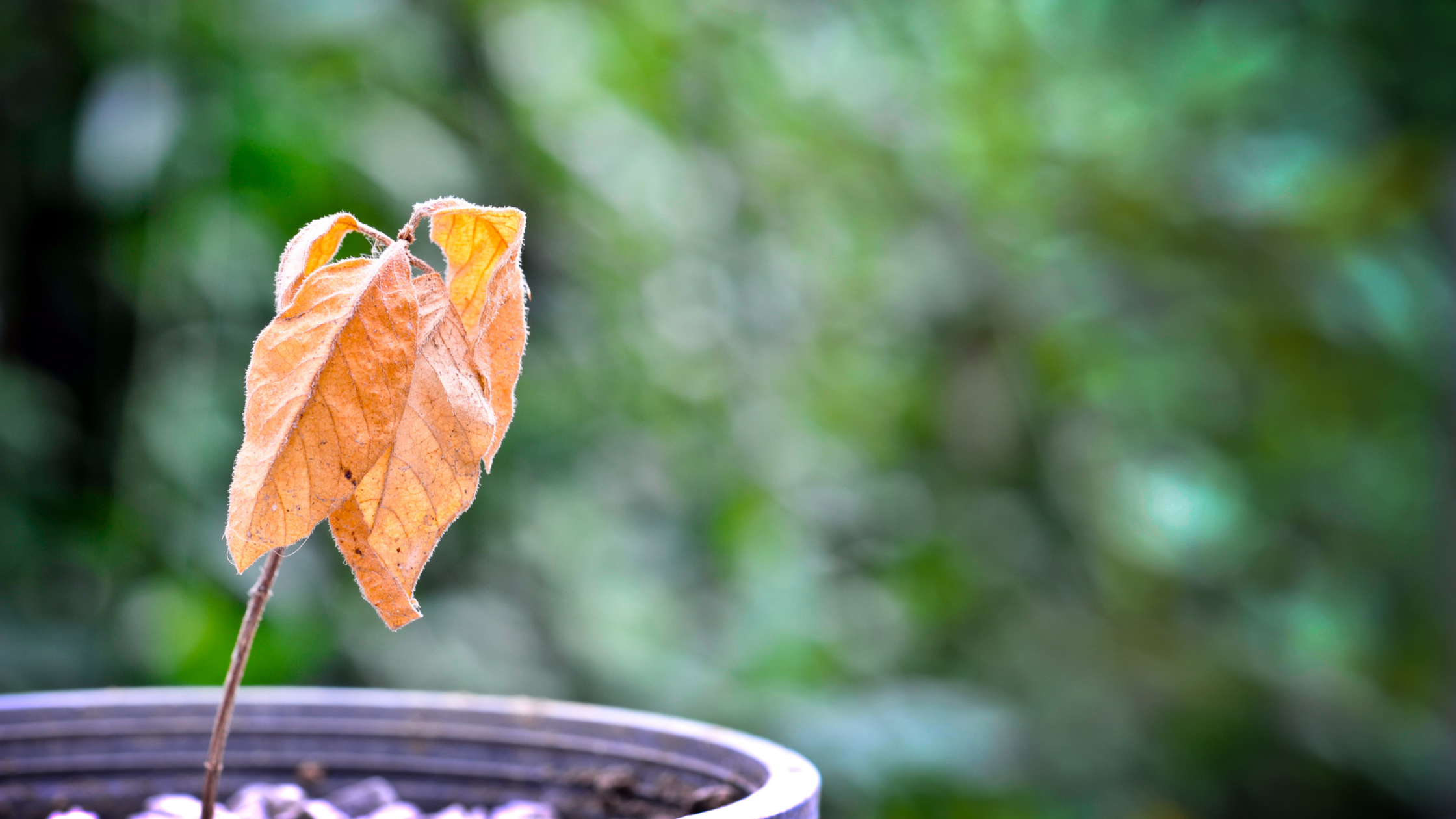
Do not automatically add another irrigation cycle when a plant wilts. But do not assume too little water is impossible because the surface looks moist.
Before making a major change:
- Check soil moisture below the surface.
- Confirm emitters are working.
- Consider recent heat and rainfall.
- Check sun and shade exposure.
- Look for poor drainage or pooling water.
Avoid piling mulch, gravel, or soil against the crown. Do not use fertilizer to force growth on a severely stressed plant or dig aggressively around roots to look for root rot.
The goal is to prevent root problems, not create a second stress through sudden irrigation changes.
When Plant Symptoms Need a Professional Evaluation
A site evaluation can help when the plant remains wilted each morning, soil stays saturated, many plants in one irrigation zone decline, or an emitter is not delivering enough water to the root zone.
Professional help is also useful when branch dieback continues after temperatures moderate or a new plant fails to establish.
The solution may involve irrigation adjustment, emitter placement, drainage evaluation, or better plant selection. Not every struggling plant can be saved, so identifying the underlying problem matters before replacement.
Get a Detailed Estimate for Planting Help in Albuquerque
When comparing heat stress vs overwatering plants, consider symptom timing, soil moisture, sunlight, plant age, and irrigation together. Avoid changing irrigation or replacing a plant based on leaf appearance alone.
SMART Landscape provides professional planting services in Albuquerque with collaborative plant selection based on site conditions and homeowner preferences. Plants installed by SMART Landscape include a one-year warranty.
For plant selection, replacement, or a planting enhancement, request an estimate from our team today.
Frequently Asked Questions
How can I tell whether a plant is overwatered or heat-stressed?
With heat stress vs overwatering plants, compare timing, leaf texture, and soil moisture. Afternoon wilt, crisp leaves, and dry soil are more consistent with heat. Morning wilt, soft growth, yellow leaves, and persistently wet soil may indicate overwatering.
Why is my plant wilting when the soil is wet?
Saturated soil can limit oxygen around the roots. Stressed or damaged roots may then have trouble absorbing water, so the plant can wilt even though the soil is wet.
Can desert plants be overwatered?
Yes. Desert-adapted plants can develop root problems in persistently saturated soil. Their water needs depend on species, maturity, soil, season, temperatures, and exposure.
Should I water a plant as soon as its leaves wilt?
Not automatically. Check whether wilting occurs only during peak heat, whether the plant recovers by morning, and whether the root zone is dry or still moist before adding more water.
When should I replace a heat-stressed or overwatered plant?
First assess soil moisture, irrigation performance, plant placement, and remaining live growth. If the underlying site or irrigation problem is not corrected, a replacement plant may develop the same symptoms.