

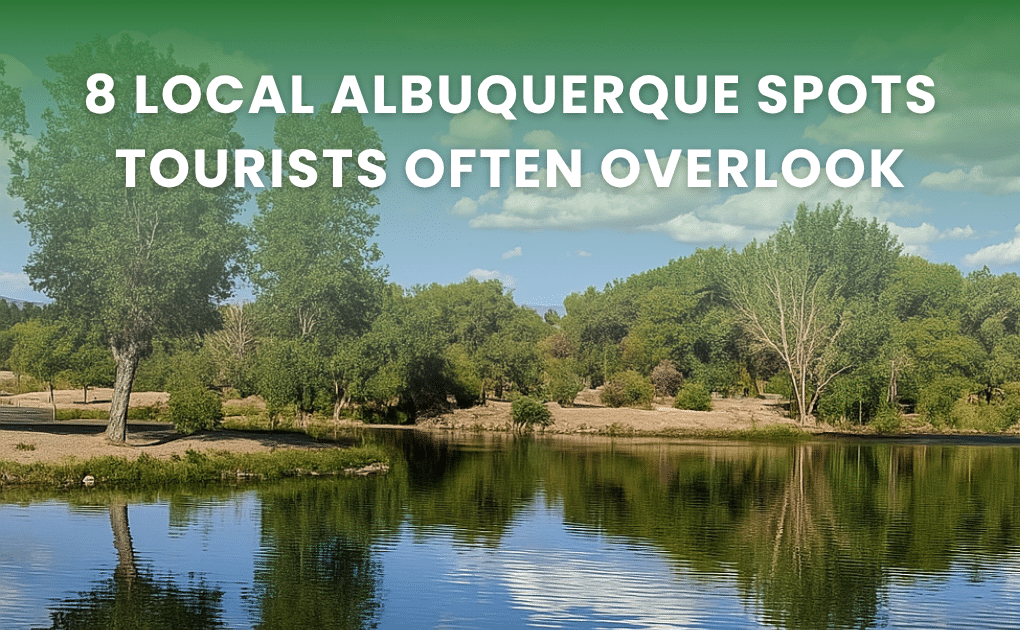
8 Local Spots in Albuquerque Tourists Often Miss
Many travelers who visit Albuquerque check the same boxes: Old Town, the Balloon Fiesta, and the Sandia Peak Tramway. While these attractions are fantastic, locals know the city’s real charm is found in its smaller, everyday spaces. Quirky shops, neighborhood parks, and vibrant cultural hubs reveal a more authentic side of the Duke City.
This guide will introduce you to eight local favorites that tourists often miss. From peaceful fishing ponds to lively community markets, these spots offer memorable experiences that will show you a different side of Albuquerque.
1. Tingley Beach
Originally a public swimming spot in the 1930s, Tingley Beach has since transformed into a peaceful collection of fishing ponds and walking trails right next to the Rio Grande.
Entry is free, making it a popular destination for families, retirees, and joggers looking for a quiet escape. The Central and Children’s ponds are stocked regularly by the New Mexico Game and Fish Department.
Anglers 12 and older need a valid New Mexico fishing license to cast a line. For those not interested in fishing, the shaded trails offer a pleasant stroll and connect directly to the larger network of Bosque trails that run alongside the river. It’s an ideal spot for a low-key afternoon of wildlife watching or simply relaxing by the water.
2. Indian Pueblo Cultural Center’s Weekend Dances
While many visitors explore the excellent museum exhibits at the Indian Pueblo Cultural Center, locals know the weekend dances are the true highlight. These traditional Native performances bring Pueblo culture to life through powerful drumming, storytelling, and dance.
Held in the center’s courtyard, these events offer a genuine opportunity to experience the living traditions of New Mexico’s 19 Pueblos. The dances are both family-friendly and affordable, providing a respectful and engaging cultural experience.
Watching the performers share their heritage is a powerful reminder of the deep history that shapes this region. It’s a must-see for anyone wanting to connect with the area’s rich indigenous culture beyond the museum walls.
3. Rail Yards Market
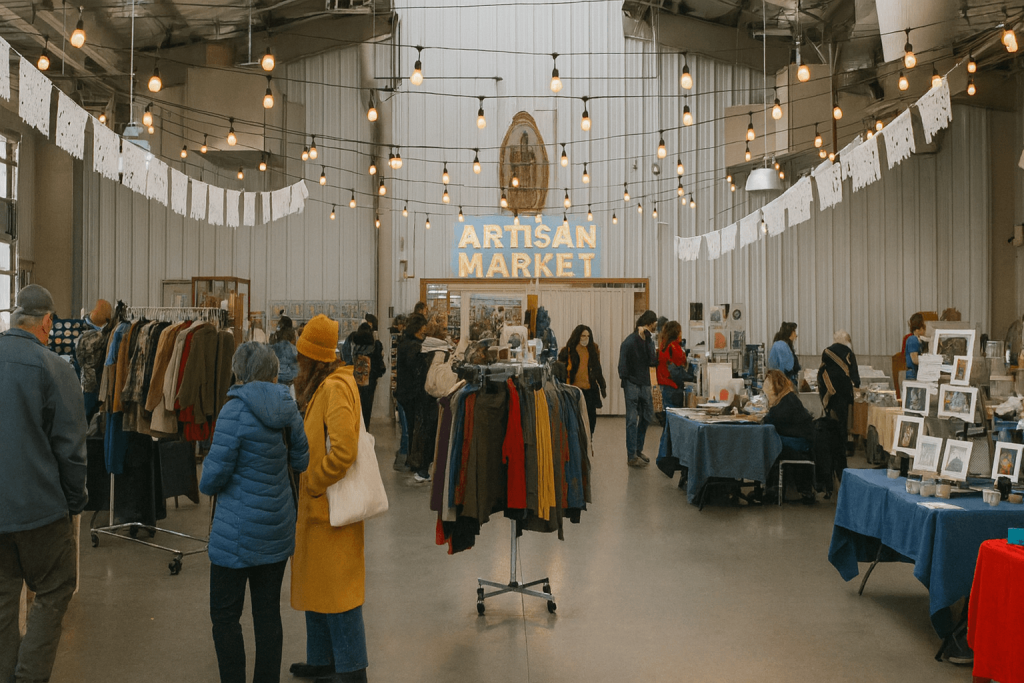
Open on Sundays from May through October, the Rail Yards Market is a vibrant community gathering inside a beautifully restored historic locomotive repair shop.
This seasonal market is a celebration of Albuquerque’s grassroots culture, featuring local farmers, artists, chefs, and musicians. Unlike more tourist-focused markets, the Rail Yards has a distinct community-driven feel that visitors often miss.
You can wander through stalls selling fresh produce, handmade crafts, and delicious local food while enjoying live music and performances. With over 200 vendors each week, it’s the perfect place to find a unique souvenir and get a real taste of the city’s creative spirit.
The market also hosts special events, like a Valentine’s market in February and a holiday series in December.
4. National Hispanic Cultural Center
The National Hispanic Cultural Center is a sprawling campus dedicated to showcasing the richness of Hispanic and Latino art, music, and history. Though it’s a major cultural institution, many tourists overlook it. The center features rotating art exhibits, world-class performances in its theater, and a library focused on history and literary arts.
One of its most breathtaking features is the Torreón, a 45-foot-tall tower adorned with a stunning fresco mural that chronicles Hispanic history. Guided tours offer deeper insight into the art and its significance. A visit here provides a profound understanding of the diverse cultural identities that have shaped Albuquerque and the broader American Southwest.
5. Roosevelt Park
Roosevelt Park is a beloved local green space with a history stretching back to the 1930s. Built by the Works Progress Administration (WPA), the park’s rolling hills and large, mature shade trees create a peaceful atmosphere. It’s a favorite spot for locals to enjoy picnics, play frisbee on the disc golf course, or simply relax on a lazy weekend afternoon.
For visitors, it offers a laid-back alternative to the more crowded tourist areas. You won’t find souvenir shops or tour buses here, just a slice of everyday Albuquerque life. Grab some food from a nearby restaurant and spend an hour unwinding under the trees to experience the city at a slower pace.
6. Maxwell Museum of Anthropology

Tucked away on the University of New Mexico campus, the Maxwell Museum of Anthropology is often missed by travelers. This small but mighty museum focuses on the archaeology and anthropology of the Southwest, offering a deep dive into the region’s human history.
With free admission, it’s an accessible and fascinating stop for anyone curious about the cultures that have called this land home for millennia.
The museum features well-curated permanent exhibits alongside rotating displays that keep the content fresh. It’s a quiet, academic space that provides a different perspective from larger, more bustling museums. It’s a great place to spend an afternoon learning something new before exploring the rest of the beautiful UNM campus.
7. Nob Hill Murals and Neon Signs
Many tourists drive through Nob Hill to see its historic Route 66 architecture, but they often miss the vibrant street art and glowing neon signs that define the neighborhood’s character. Alleys and building walls are covered in colorful murals created by local artists, turning the area into an open-air gallery.
The best way to experience it is on foot. Wander off Central Avenue to discover hidden artworks and snap some photos. As evening approaches, the vintage-inspired neon signs, including the iconic arches at the east and west ends of the neighborhood, light up the street.
It’s a great area to explore small cafés and quirky shops while soaking in the creative energy of modern-day Route 66.
8. Elena Gallegos Picnic Area
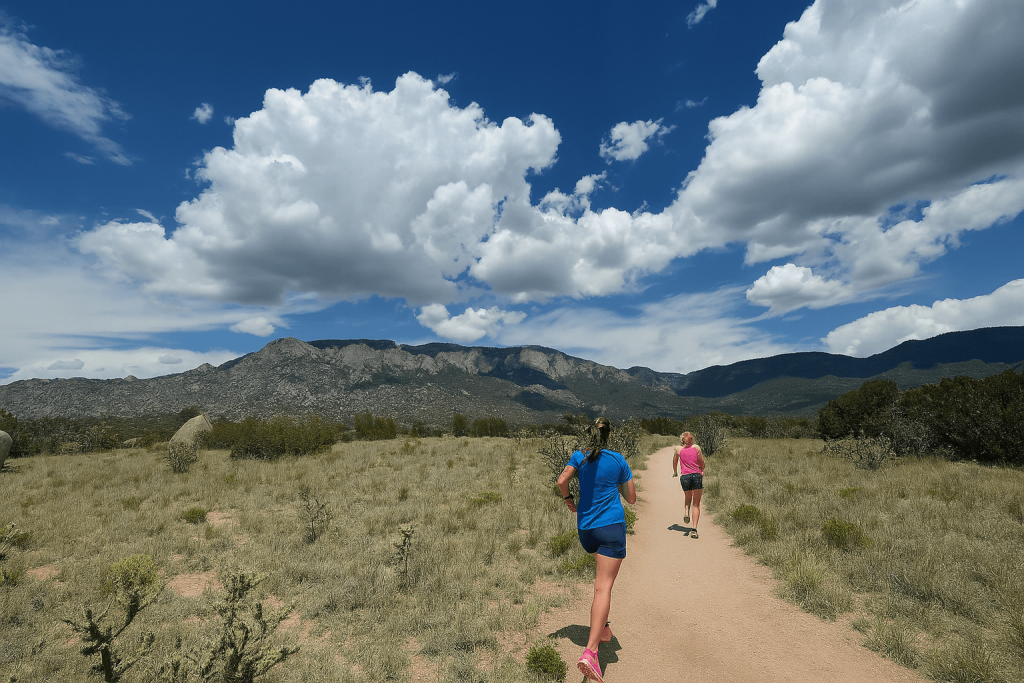
While the Sandia Peak Tramway gets most of the attention, the Elena Gallegos Picnic Area offers a more serene way to experience the beauty of the Sandia foothills. Nestled at an elevation of around 6,500 feet, this 640-acre park provides breathtaking views of the mountains to the east and the city stretching out to the west.
Locals love it for sunsets, short hikes, or barbecues at covered picnic shelters. A network of trails caters to hikers, bikers, and equestrians, with some paths leading to the Sandia Mountain Wilderness. The accessible Cottonwood Springs Trail even leads to a wildlife blind, perfect for birdwatching.
Tips for Exploring Albuquerque Like a Local
Exploring Albuquerque is all about experiencing the city like a local. Skip the tourist-heavy spots and dive into the heart of the community with these simple tips.
- Ask locals for recommendations: Discover hidden gems like coffee shops, parks, or restaurants by chatting with residents.
- Visit community hubs: Explore farmers’ markets, public libraries, or small museums for a deeper connection to the city’s culture.
- Follow public art: Spot a mural? Take time to explore the surrounding area. You might find unique courtyards or local shops.
- Check event calendars: Look for free or affordable community events, especially on weekends, for a fun and authentic experience.
Let Albuquerque surprise you with its vibrant culture, friendly people, and unexpected adventures.
The Side of Albuquerque You’ll Remember Most
While the big attractions are popular for a reason, it’s often the overlooked spots that leave the most lasting memories. Balancing your itinerary with a few of these local favorites will give you a richer, more personal connection to the city.
Sometimes, it’s the quiet park bench, the bustling Sunday market, or the mural on a corner wall that makes a trip unforgettable. So, go ahead, wander off the beaten path a little. What hidden gem will you discover first?