


Pooling Water Around Sprinkler Head? What It Usually Means
A little moisture around a sprinkler head after watering is often normal. However, if you notice water pooling around your sprinkler, a recurring puddle, bubbling water, or soggy soil, it may mean water is escaping or collecting where it should not.
One possible cause is a leaking sprinkler head. Other common causes include low head drainage, a pipe leak, a faulty valve, poor sprinkler placement, or soil that cannot absorb water fast enough.
One of the most helpful clues is when the pooling water around the sprinkler head appears. It may happen while the sprinkler system is running, immediately after it shuts off, long after watering ends, or even when the irrigation system has not recently operated.
This guide explains what those patterns may indicate, what you can safely observe, and when it’s time to request professional help. Before scheduling an evaluation, take note of when the puddle appears and how it changes over time.
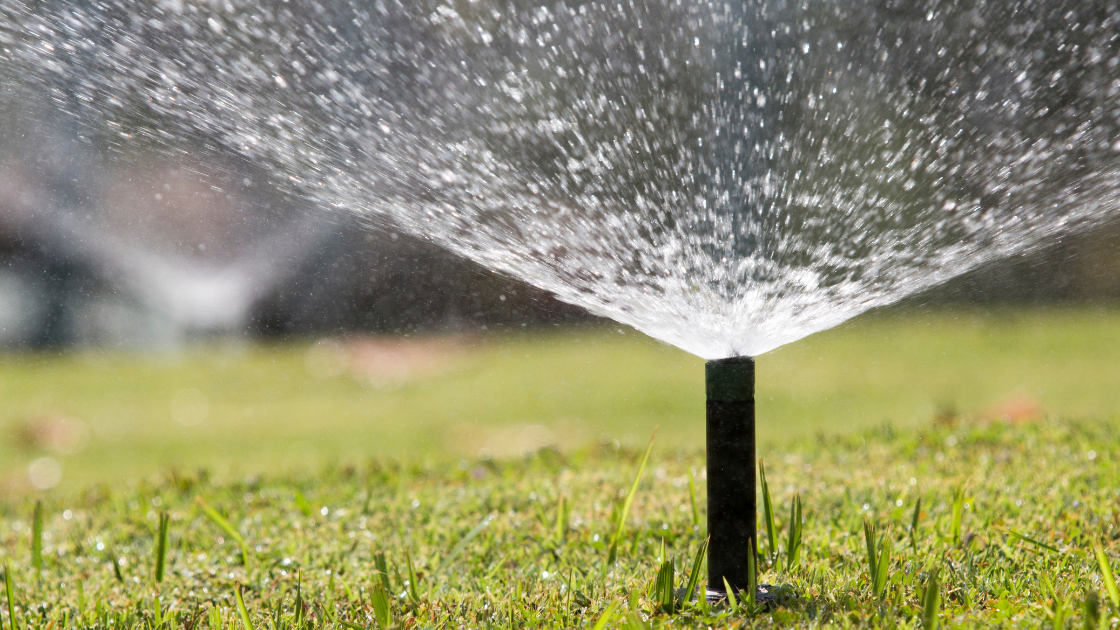
When Does the Pooling Happen?
If you notice water pooling around a sprinkler head, pay attention to when it happens. The timing often provides better clues than the size of the puddle.
If water appears while the irrigation zone is running, it could be caused by a leaking sprinkler head, a pipe leak, poor sprinkler placement, or soil that cannot absorb water fast enough.
If water appears only after the system shuts off and slows to a trickle, the lowest sprinkler head may simply be draining the remaining water from the line. This is called low head drainage and is not always a sign of a leak.
However, if the sprinkler head continues leaking long after the system shuts off or the soil stays wet between watering days, the problem may be a faulty valve, a sprinkler valve that is not closing properly, or another active leak.
As you observe the problem, note:
- Which irrigation zone is running
- Whether one or several sprinkler heads are affected
- How quickly the pooling begins
- How long the puddle lasts after the cycle ends
If possible, record a short video while the zone is running. It can help a professional determine whether water is coming from the sprinkler nozzle or bubbling up around the sprinkler head.
Pooling While the Sprinkler Is Running May Mean Water Is Escaping Under Pressure
If you see pooling water around a sprinkler head while the sprinkler system is running, water may be escaping below the surface instead of flowing through the nozzle. A bubble or stream of water around the sprinkler head may indicate a pressurized leak.
Some possible causes include:
- A cracked sprinkler body
- A damaged connection below the head
- A loose fitting
- A nearby pipe leak
- A sprinkler head that is tilted, sunken, or not seated properly
You may also notice other signs. The sprinkler head may not rise fully, the spray distance may be shorter than nearby heads, or the ground may quickly become muddy or begin to sink. Water escaping below the surface can also reduce pressure across the rest of the irrigation zone.
A pressurized leak can do more than create a puddle. It can reduce irrigation coverage, waste water, and wash away soil over time.
Avoid digging around active irrigation lines or taking apart pressurized components. If water is surfacing rapidly or causing erosion, turn off the zone after documenting the problem and request a professional evaluation.
The EPA WaterSense program notes that damaged sprinkler heads and leaking pipes can waste water and recommends professional repairs when needed.
Water That Appears After the Zone Shuts Off May Be Low-Head Drainage
Not every leaking sprinkler head points to a broken component. One common explanation is low head drainage, which happens when water remaining inside the irrigation line flows downhill after the sprinkler valve closes.
Gravity naturally carries the remaining water toward the lowest head in the zone. That sprinkler may continue releasing a slow trickle until the line empties, even though the irrigation cycle has already ended.
Some common signs include:
- The affected head sits lower than the others.
- Water starts after the system shuts off instead of during operation.
- The flow gradually slows and stops.
- The same sprinkler is affected after most watering cycles.
This pattern is different from a faulty valve or another active leak. If the water stops after a short period, head drainage may be the more likely explanation.
However, if the sprinkler head leaking continues for an extended time or the soil remains wet between watering days, the irrigation system may need evaluation for a sprinkler valve or underground line problem.
In New Mexico’s dry climate, recurring irrigation waste is worth addressing even when the cause is not a broken pipe.
Our guide to water-wise landscaping in New Mexico explains how thoughtful irrigation and landscape design can help reduce unnecessary water use.
Pooling Between Watering Cycles May Mean an Underground Leak
A puddle that remains long after the sprinkler system has finished watering deserves closer attention. Unlike low head drainage, which usually stops after the line empties, persistent pooling water may indicate that water is continuing to flow through the irrigation system when it should not.
Some warning signs include:
- Water remains hours after the irrigation cycle ends.
- The sprinkler head leaks even when the controller is off.
- Multiple low heads in the same zone stay wet.
- The soil remains soggy on non-watering days.
- Water use increases without a change to your schedule.
- Your water meter shows unexpected flow when no fixtures are operating.
One possible cause is a sprinkler valve that is not closing properly. Another is an underground pipe leak or damaged connection allowing water to escape below the surface. The visible puddle is not always directly above the damaged component because water can travel through the ground before reaching the surface.
The Albuquerque Bernalillo County Water Utility Authority says residential leaks can waste thousands of gallons of water each month, making prompt evaluation worthwhile.
Avoid opening valve boxes, digging around buried pipes, or attempting to diagnose the valve yourself. A professional inspection can determine where the leak is actually coming from.
The Sprinkler Head May Be Too Low, Tilted, or Surrounded by Compacted Soil
Not every case of pooling water around a sprinkler head is caused by a broken part. Sometimes the sprinkler head is working normally, but its position or the surrounding landscape causes water to collect.
This may happen when:
- The sprinkler head sits below the surrounding ground.
- Grass or dirt has built up around the body.
- The head is tilted and sprays into the nearby soil.
- Compacted soil cannot absorb water quickly.
- A shallow depression has formed around the head.
In these situations, water usually sprays from the nozzle as expected but collects in a bowl-shaped low spot instead of soaking into the soil. You may also notice that the head does not rise above the grass, or that the area is wet only while the sprinkler system is running and dries normally afterward.
This pattern may be related to sprinkler placement, grading, or soil conditions rather than an underground leak. However, if the water pooling keeps returning, causes erosion, or creates uneven coverage across the lawn, it is worth having the system evaluated.
Our guide to creating a more manageable Albuquerque landscape explains how irrigation, grading, and landscape design work together to improve long-term water management.
The Watering Schedule or Soil Intake Rate May Be Contributing to the Puddle
Not every case of pooling water around a sprinkler head is caused by a failed component. Sometimes the irrigation system applies water faster than the soil can absorb it, allowing water pooling to develop even when the equipment is working properly.
Several conditions can contribute to this, including:
- Long, uninterrupted watering cycles
- Compacted soil
- A sloped lawn
- A shallow depression around the sprinkler head
- Mismatched sprinkler nozzles within the same zone
- Overspray from a nearby sprinkler adding water to the same area
This type of pooling usually looks different from a pressurized leak. Instead of water bubbling up from around the sprinkler head, water falls from above and gradually collects on the surface. You may also notice water pooling near the end of a watering cycle, with runoff beginning elsewhere in the yard at the same time.
The appropriate watering schedule depends on your soil type, slope, weather, sprinkler design, and landscape. Rather than assuming the schedule is the cause, observe whether the puddle forms only during long watering cycles or whether the same area repeatedly becomes saturated regardless of watering duration.
A professional evaluation can help determine whether the issue involves the schedule, soil conditions, or another irrigation problem.
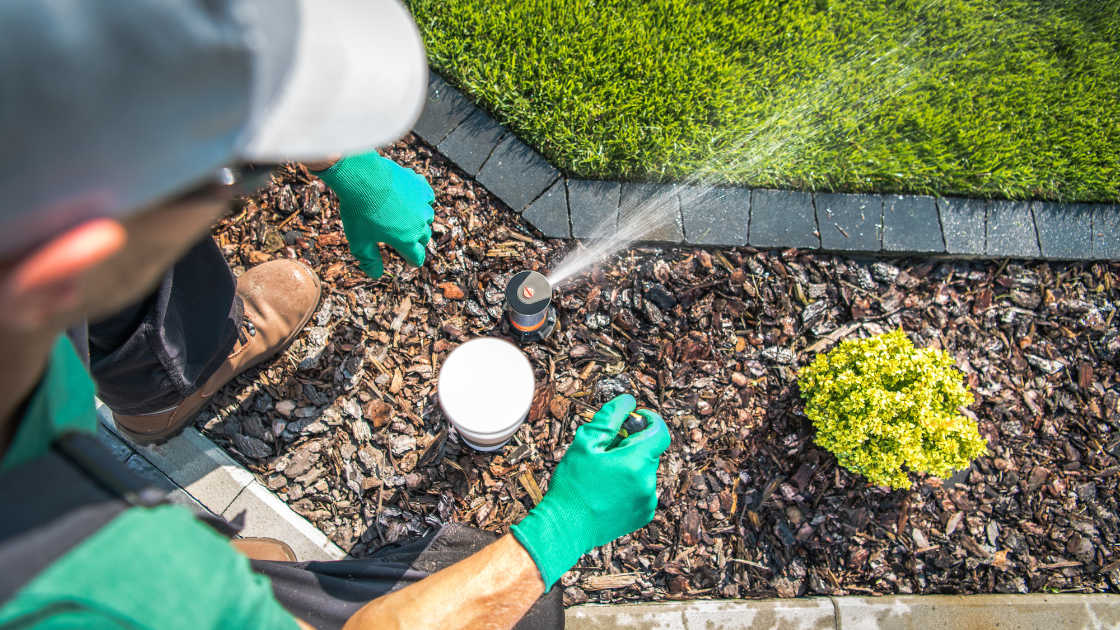
What Homeowners Can Safely Check Without Attempting a Repair
Before requesting professional help, take a few minutes to observe the problem. A few simple notes can help identify the common causes and speed up the diagnostic process.
Here’s what you can safely check:
- Run one irrigation zone at a time.
- Watch from a dry, stable location.
- Note whether water comes from:
- The nozzle
- The side of the sprinkler head
- The soil around the base
- A nearby location
- Record whether the pooling water starts during or after the watering cycle.
- Compare the spray height and distance with nearby sprinkler heads.
- Check whether the sprinkler head is tilted or sunken.
- Note whether it is the lowest head in the zone.
- Photograph muddy soil, erosion, or weak spray coverage.
- Record whether one or several sprinkler heads are affected.
- Review recent water use for any unexplained increase.
These observations can help a professional diagnose the problem more efficiently by showing when it occurs and how it affects the rest of the sprinkler system.
Avoid digging around pressurized irrigation lines, opening sprinkler valve boxes, replacing underground fittings, forcing stuck components, or adjusting the controller. The visible sprinkler head is not always the source of the problem, and a professional inspection can determine what is happening below the surface.
Why a Small Puddle Should Not Be Ignored
A small puddle beside a sprinkler head may not seem urgent, but a recurring one can affect more than the appearance of your lawn. Over time, it may lead to wasted water, muddy soil, erosion, uneven irrigation coverage, or water damage to the surrounding landscape.
Watch for patterns like these:
- Puddle returns during every watering cycle.
- The wet area gradually becomes larger.
- Water continues after the sprinkler system shuts off.
- The surrounding soil stays saturated between watering days.
- Spray coverage or pressure has noticeably declined.
One brief puddle is not automatically a sign of a serious leak, but recurring pooling water around a sprinkler head should not be ignored. Identifying the problem early may help prevent costly repairs and make the issue easier to resolve before it affects a larger portion of the irrigation system or landscape.
When to Request a Professional Irrigation Evaluation
Some irrigation issues are easy to observe but difficult to diagnose without inspecting the irrigation system. If pooling water around a sprinkler head keeps returning, a professional evaluation can help determine whether the cause is a damaged component, a sprinkler valve problem, a pipe leak, poor sprinkler placement, or another issue.
Consider scheduling an evaluation if:
- Water bubbles up while the system is running.
- Pooling water returns every watering cycle.
- Water continues flowing after the system shuts off.
- The area stays wet between watering days.
- Multiple sprinkler heads in the same zone are leaking.
- Spray pressure or coverage has decreased.
- Soil is washing away around the sprinkler head.
- Your water bill suddenly increases.
- The problem is near a walkway, foundation, wall, or electrical equipment.
The visible sprinkler head is not always where the problem begins. Water can travel through the soil from a nearby connection or underground line before reaching the surface.
A professional inspection can identify the source and recommend the appropriate repair, upgrade, or adjustment without assuming the entire sprinkler system needs replacement.
Get a Detailed Estimate for an Irrigation Problem in Albuquerque
Pooling water around a sprinkler head can mean different things depending on when and how it appears. Pooling during operation may indicate a damaged head, loose connection, or pressurized leak, while brief drainage after shutoff may come from the lowest head in the zone.
Water that continues between cycles may be associated with a valve or underground line problem. Gradual ponding can also involve head height, compacted soil, slope, or watering duration.
Homeowners do not need to diagnose or excavate the system themselves. SMART Landscape evaluates irrigation concerns and provides appropriate repairs, upgrades, and conversions based on the property’s layout and water-coverage needs.
Explore irrigation repair and upgrades in Albuquerque and get a detailed estimate from SMART Landscape.
Frequently Asked Questions
Why is water pooling around my sprinkler head while it is running?
Pooling water around a sprinkler head during operation may indicate a cracked sprinkler body, damaged connection, nearby pipe leak, poor sprinkler placement, or water being applied faster than the soil can absorb it. A professional inspection can confirm the exact cause.
Why does a sprinkler head leak after the system turns off?
The lowest head in a zone may release a slow trickle after the system shuts off. This is commonly called low head drainage and usually stops after the irrigation line empties. If the flow continues, the problem may involve a sprinkler valve or another system issue.
Is pooling around a sprinkler head always a broken pipe?
No. Common causes include a damaged sprinkler head, loose connection, low head drainage, a leaking valve, poor head height, compacted soil, slope, or excessive water application. The timing and source of the water help narrow down the possibilities.
Can a leaking sprinkler head increase my water bill?
Yes. A recurring leaking sprinkler head or irrigation leak can increase water use over time. The Albuquerque Bernalillo County Water Utility Authority notes that residential leaks in general can waste thousands of gallons each month, although the amount cannot be determined from one puddle alone.
When should I call a professional about a wet sprinkler head?
Request an evaluation if water bubbles up during operation, continues long after shutoff, appears between watering days, affects multiple heads, reduces spray coverage, causes erosion, or repeatedly saturates the surrounding soil. Early evaluation can help prevent unnecessary water loss and further damage.
How do I contact SMART Landscape for irrigation help?
Not sure why water is pooling around your sprinkler head? SMART Landscape can evaluate your irrigation system and help identify the cause. Call (505) 250-1187 or use the contact form on our website to schedule a consultation.