

Lawn Sprinkler Maintenance Checklist for New Mexico Summers
New Mexico summers put your sprinkler system to work. As temperatures rise and rainfall becomes less reliable, your lawn depends on a properly maintained irrigation system to deliver consistent coverage without wasting water.
However, even lawn sprinkler systems that appear to be working can develop hidden leaks, uneven spray patterns, poor coverage, or runoff that affects your lawn and increases water usage.
Routine lawn sprinkler maintenance doesn’t require special tools or technical knowledge. By running one zone at a time, observing your sprinkler heads, and reviewing your watering schedule, you can identify visible problems before they lead to water waste, higher water bills, or more extensive lawn sprinkler system repairs.
Leave underground pipes, valves, wiring, and other complex irrigation system repair work to a professional. A simple inspection is often enough to determine whether your system needs attention.
Before You Begin: Use a Safe Sprinkler Inspection Routine
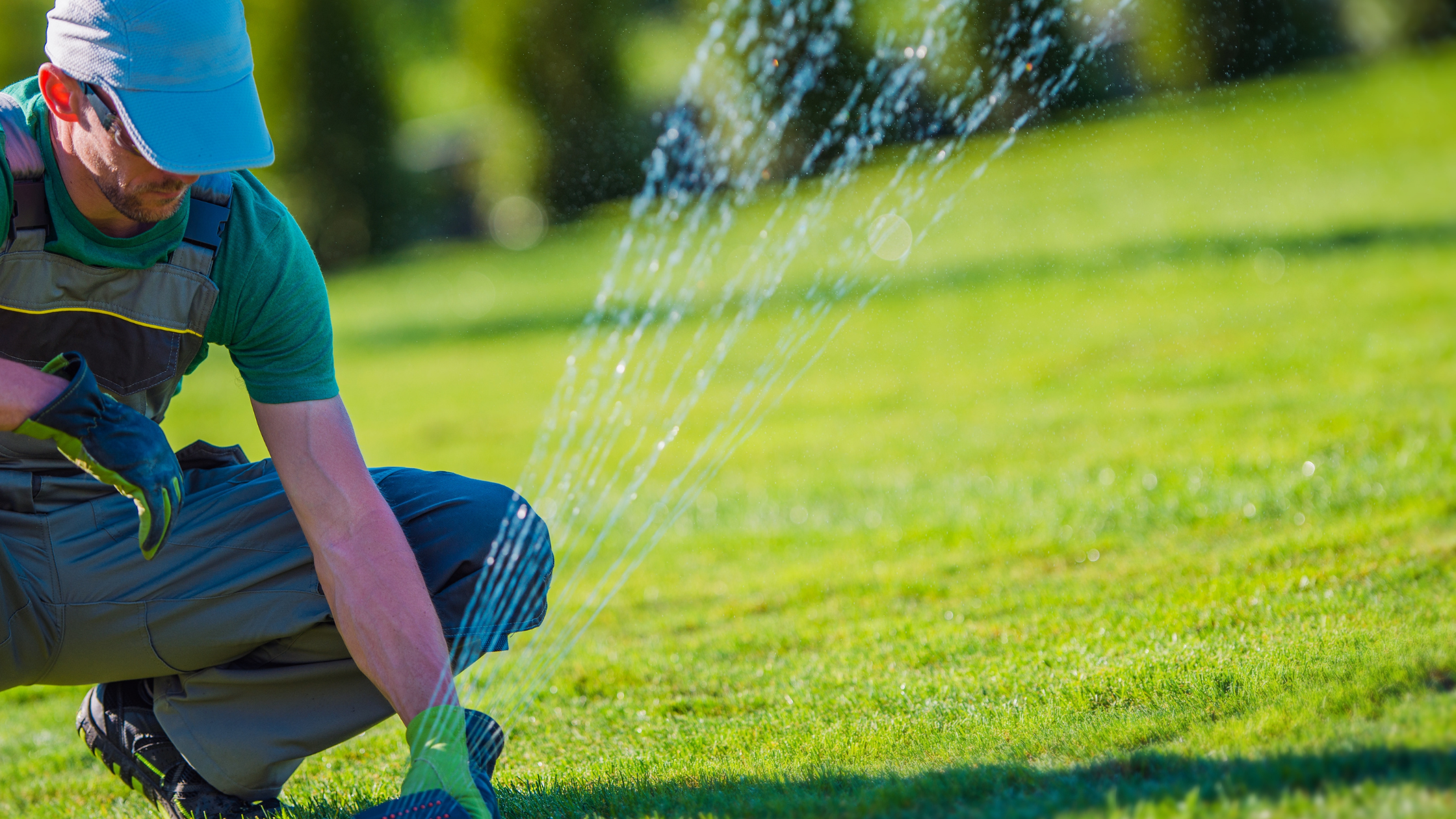
A good lawn sprinkler maintenance routine is simple, systematic, and focused on observation. Inspect your sprinkler system early in the morning, and run only one zone at a time. This makes it easier to see how each section of your residential irrigation system is performing.
Bring a phone, notepad, and a few landscape flags to document what you find. Record the zone number, weak or uneven spray patterns, pooling water, runoff, and lawn areas that remain dry.
Take a photo of problems instead of trying to fix them immediately, and keep children and pets away from damaged equipment. If water begins rapidly surfacing, flooding an area, or reaches electrical equipment, stop the zone and arrange for professional service.
Also, note when standing water appears. Water that collects during operation, shortly after shutoff, or between watering cycles can point to different issues.
Learn more about what pooling water around a sprinkler usually means before deciding whether your irrigation system needs further evaluation.
1. Run Every Zone and Confirm It Starts Correctly
Activate each zone of your sprinkler system separately and watch every sprinkler as it operates. A controller may indicate that a zone is running, but that does not always mean every sprinkler is functioning properly. Confirm that each head rises, sprays consistently, and shuts off when the cycle ends.
Watch for sprinkler heads that stay stuck, rise slowly, spray weakly, or continue leaking after the zone stops. Listen for unusual hissing or chattering, and note whether one zone has noticeably lower water pressure or reduced flow than the others.
A single weak sprinkler may have a clogged or damaged nozzle, while several weak heads in the same zone could point to a larger irrigation system issue. Rather than trying to diagnose the cause yourself, document what you observe and schedule professional service if an entire zone fails, multiple heads lose pressure, or water continues flowing after shutoff.
Addressing these issues promptly can improve system performance, reduce water waste, and help avoid more extensive sprinkler or irrigation repairs.
2. Look for Broken, Tilted, Sunken, or Blocked Sprinkler Heads
As each zone runs, inspect every sprinkler for visible damage. Look for cracked or missing nozzles, tilted or sunken sprinkler heads, or sprinklers blocked by grass, soil, gravel, or nearby plants. You may also notice water shooting straight into the air or escaping from the sprinkler body instead of the nozzle.
Sprinkler position affects proper water distribution. A tilted head may oversaturate one area, while a sunken or blocked head can leave parts of the lawn dry. These issues often cause uneven watering, even when the rest of the lawn sprinkler system appears to be working normally.
Damage from lawn mowers, foot traffic, vehicles, or landscape work is common during the growing season. If a sprinkler does not rise above the grass, flag the location and compare its spray patterns with nearby sprinklers instead of attempting a repair.
Repeated damage in the same area may indicate the head needs professional adjustment rather than another replacement.
Catching these problems early through lawn sprinkler maintenance helps maintain water efficiency, prevent costly repairs, and keep your irrigation system operating at its best.
3. Check the Spray Pattern and Head-to-Head Coverage
As each zone runs, watch where the water lands. Each sprinkler should generally reach the next one so the lawn receives more even coverage. This head-to-head coverage helps promote proper water distribution and keeps your sprinkler system watering more consistently.
Look for gaps between spray patterns, areas receiving too much water, or dry strips between sprinklers. Also watch for misting instead of defined droplets, which can affect water efficiency. Shrubs, tall grass, outdoor furniture, or other obstacles may also block the spray and reduce coverage.
New Mexico turfgrass irrigation principles explain that pressure, flow, nozzle selection, sprinkler spacing, and head configuration all work together to produce uniform irrigation. If several areas have poor coverage, the issue may involve the overall irrigation system rather than one sprinkler.
Avoid changing nozzles or adding sprinklers yourself. If multiple areas continue showing uneven coverage, schedule professional service to evaluate the system and recommend the right seasonal adjustments or irrigation system repair.
4. Watch for Leaks, Bubbling Water, and Persistent Wet Spots
A visual inspection can help you catch leaks before they lead to unnecessary water waste or higher water bills. As each zone runs, look for water bubbling around a sprinkler, puddles forming at the base of a head, soft soil, or water escaping from a connection instead of the nozzle. Then check the same area again after the zone shuts off.
The timing of the water matters. Bubbling during operation may indicate a damaged sprinkler, fitting, or underground leak. Brief drainage after shutoff may simply come from the lowest sprinkler heads in the zone. However, water that continues appearing between watering cycles may point to a larger issue within the irrigation system.
Residential leaks can waste roughly 10,000 to 60,000 gallons of water per month, as noted in Find and repair residential water leaks. While not every sprinkler leak is that severe, inspect persistent wet spots promptly to help prevent leaks, improve water efficiency, and avoid expensive repairs.
If water is rapidly surfacing, causing erosion, or creating unsafe conditions, turn off the affected zone and request professional service. Early sprinkler or irrigation repair can restore proper system performance and keep your lawn sprinkler system running efficiently.

5. Check for Overspray, Runoff, and Water Leaving the Lawn
As your sprinkler system runs, look beyond the grass to see where the water ends up. Spray landing on sidewalks, patios, driveways, walls, streets, or neighboring property doesn’t help your lawn. It also wastes water and reduces the overall efficiency of your irrigation system.
Watch for water running downhill before the cycle ends or collecting in low spots around the landscape. Runoff may begin only after several minutes if the lawn receives more water than the soil can absorb. Wind can also redirect the spray, preventing water from reaching its intended areas.
Misaligned sprinkler heads, long watering cycles, compacted soil, sloped lawns, or uneven water flow can cause overspray and runoff. If these problems continue after reviewing your watering schedule, your lawn sprinkler system may benefit from a professional evaluation rather than a simple schedule change.
If you’re looking for ways to reduce outdoor water use, explore water-conscious landscaping options in New Mexico. Improving your irrigation system while creating a more resilient landscape can help you save water without sacrificing a healthy lawn.
6. Review the Irrigation System Schedule and Make Seasonal Adjustments
A healthy sprinkler system still needs the right schedule to perform efficiently. As part of your lawn sprinkler maintenance routine, confirm that the controller displays the correct day and time, and check that each zone is scheduled correctly. Look for duplicate start times, overlapping programs, or drip irrigation zones that accidentally share the same schedule as lawn sprinklers.
For customers served by the Albuquerque Bernalillo County Water Utility Authority, the 2026 Water by the Numbers guidance recommends watering lawns three days per week during June, July, and August. Spray irrigation is also prohibited between 11 a.m. and 7 p.m. from April 1 through October 31. Homeowners outside the Water Authority’s service area should follow their local utility’s watering requirements.
Avoid relying on one schedule all summer. Grass type, soil, slope, sun exposure, weather, and your residential irrigation system all influence how much water your lawn needs. Thoughtful seasonal adjustments improve water use, conserve water, support better system performance, and reduce the likelihood of future irrigation or sprinkler repairs.
7. Compare Irrigation Performance With the Lawn’s Appearance
Your lawn often shows irrigation problems that are easy to miss while the sprinkler system is running. After each inspection, look for greyish-blue or dull-looking grass, narrow dry strips between spray patterns, or areas that stay unusually dark, soft, or wet. Compare sunny and shaded areas, and photograph recurring problem spots during your monthly inspections.
Dry areas do not always mean your lawn sprinkler system needs repair. They may result from blocked or tilted sprinkler heads, incomplete head-to-head coverage, low water pressure, uneven water flow, compacted soil, or different sun exposure. Wet areas may indicate leaks, excessive overlap, poor drainage, or watering schedules that apply more water than the lawn can absorb.
If the same areas repeatedly show signs of stress, schedule professional service for a comprehensive assessment. Early action helps improve water distribution, increase efficiency, reduce waste, and minimize the need for sprinkler repair, irrigation repair, or lawn sprinkler system repairs.
8. Repeat a Quick Inspection Every Month
Regular maintenance and monthly inspections help keep your sprinkler system performing at its best throughout the growing season. A quick monthly check can catch small issues before they lead to expensive repairs, higher water bills, or unnecessary water waste.
Run every zone, check your sprinkler heads, watch for uneven spray patterns, leaks, pooling water, overspray, and runoff, then review the controller for any needed seasonal adjustments. Compare your irrigation system’s performance with your lawn to make sure water is reaching the intended areas.
Also inspect the system after mowing damage, landscape construction, aeration, utility work, or unexplained increases in water usage. Consistent lawn sprinkler maintenance helps maintain system performance, support a more resilient landscape, and reduce the need for future sprinkler or irrigation repairs.
Get a Detailed Estimate for Lawn Sprinkler Maintenance in Albuquerque
Routine lawn sprinkler maintenance helps keep your sprinkler system working efficiently while reducing water waste, improving water efficiency, and catching small issues before they turn into costly repairs.
Some problems are easy to spot but difficult to diagnose. Underground leaks, recurring low water pressure, controller issues, and uneven coverage often require professional evaluation. Instead of guessing, let SMART Landscape inspect your residential irrigation system and recommend the right solution.
Whether you need sprinkler repair, irrigation repair, lawn sprinkler system repairs, or system upgrades, our team provides clear recommendations and reliable sprinkler system service to help keep your landscape performing at its best.
If you’re looking for irrigation maintenance and repair in Albuquerque, get a detailed estimate from SMART Landscape today.